Category:
Creative Roots
Created For:
Creative Growth
Long before I became a UX designer or frontend developer, I was already deep in the world of visual thinking.
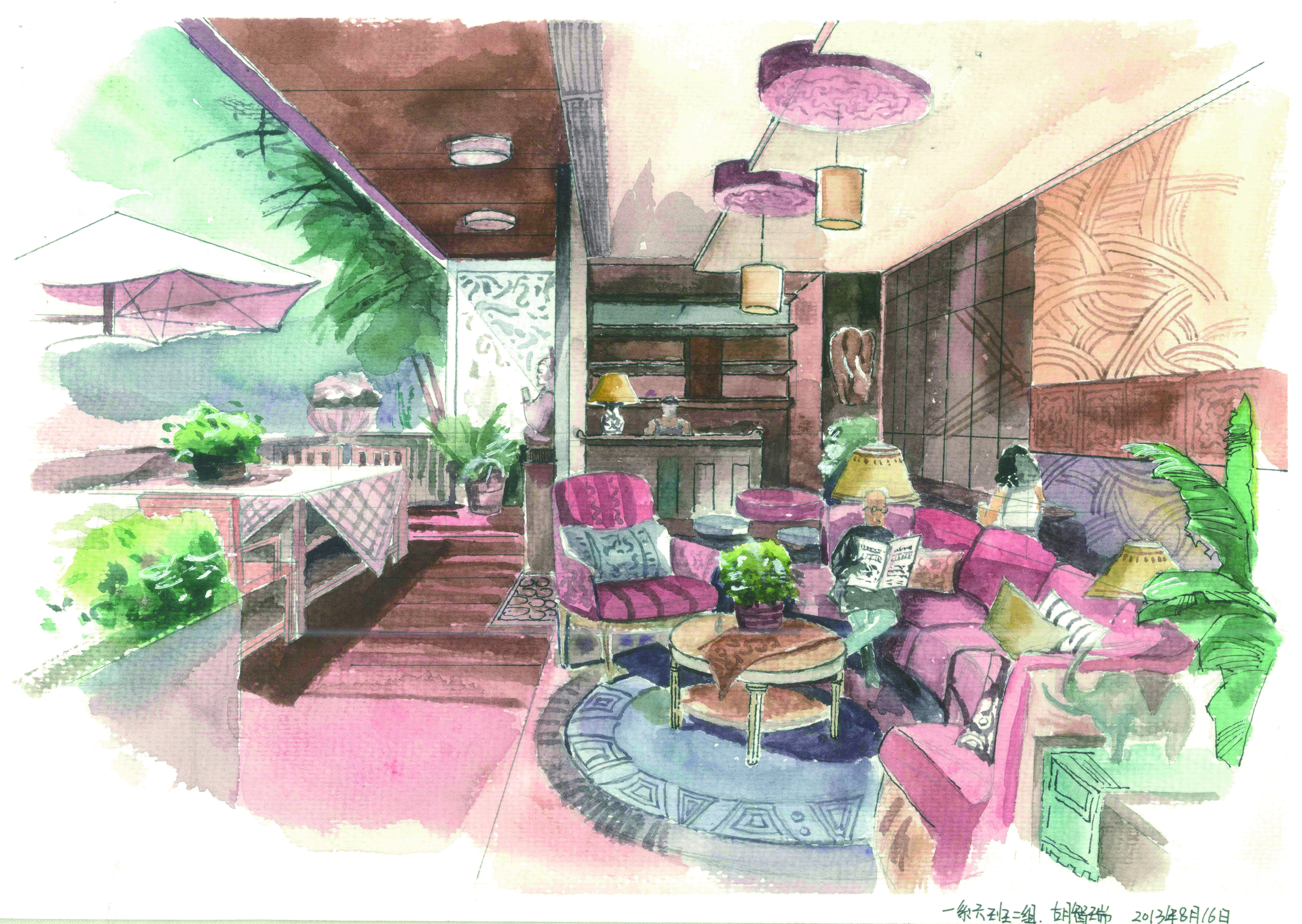
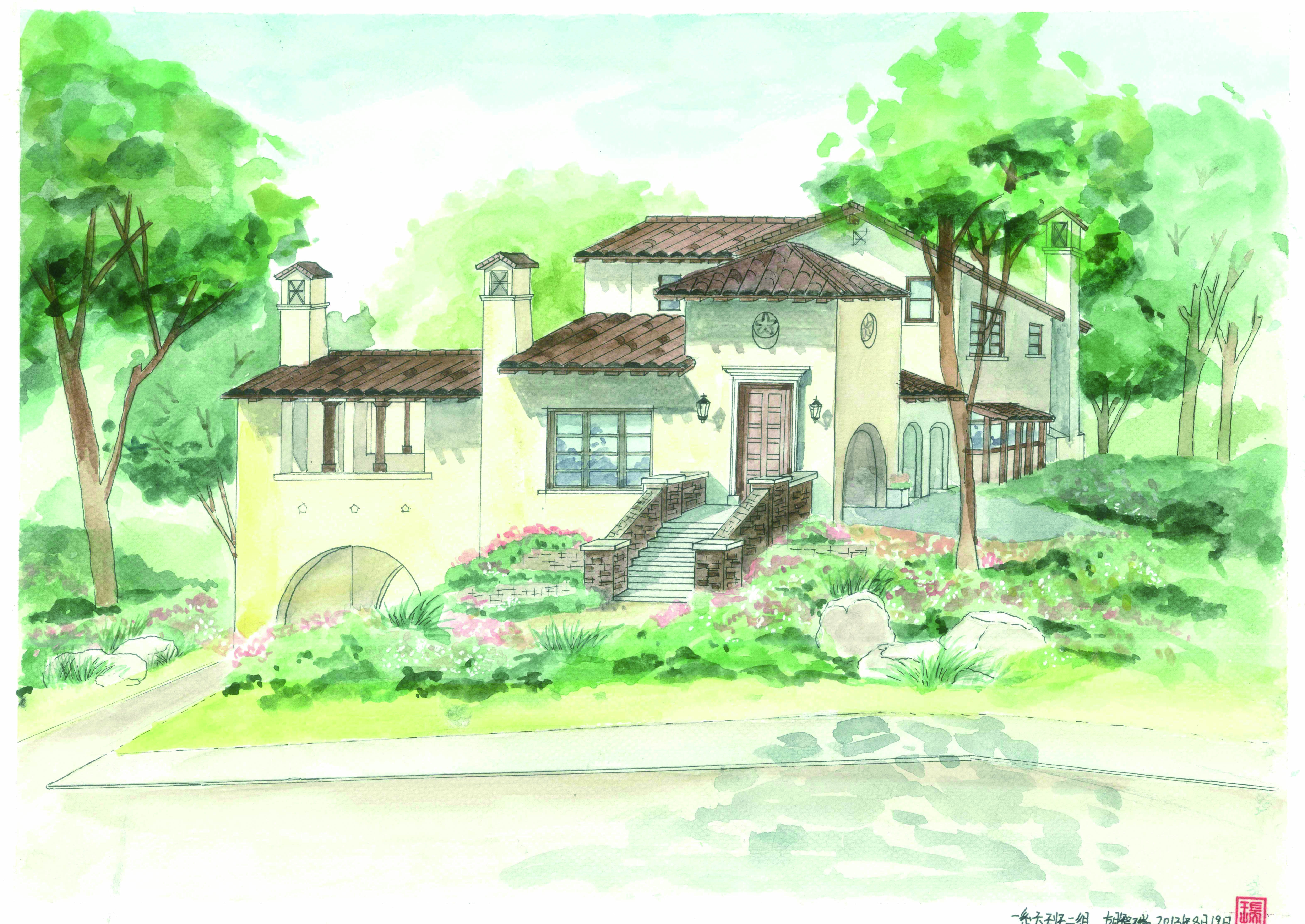
I started practicing Chinese calligraphy and traditional painting at age 10. Throughout my teenage years, I trained in sketching, watercolor, oil painting, and life drawing. Art was my first language—and it still shapes how I understand and solve design problems.
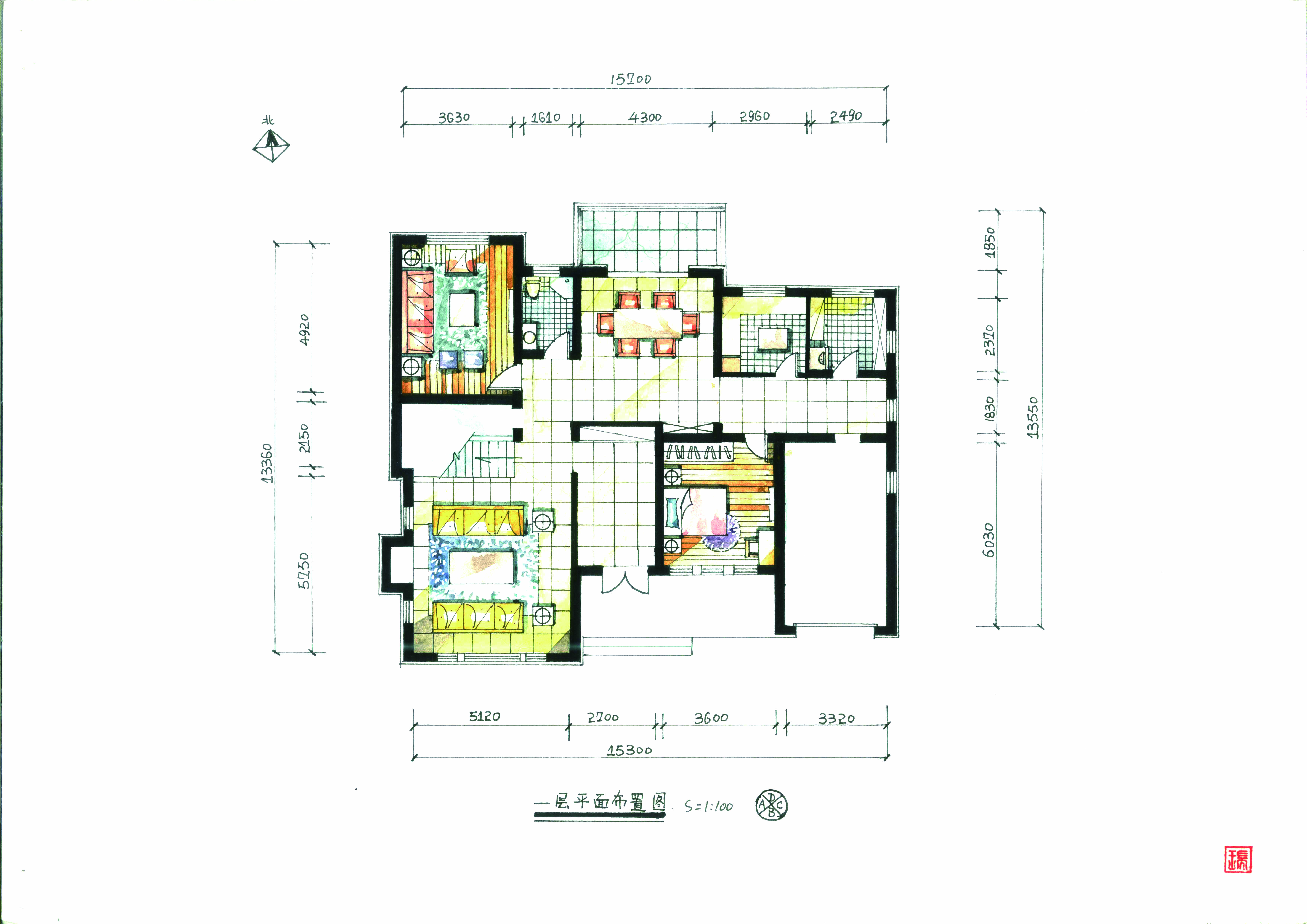
Later, I studied and worked in interior and visual design. These experiences taught me how to balance structure and emotion, how to work with real spatial constraints, and how to craft visuals that serve human needs.
Today, although I design interactions and interfaces, I carry this foundation with me. My early design journey is more than just a phase—it’s the lens through which I approach UX:
with care, clarity, and curiosity.
This project is a glimpse into that foundation. From hand sketches to digital floorplans, it captures a chapter that made the next ones possible.
Experimental Spatial Design
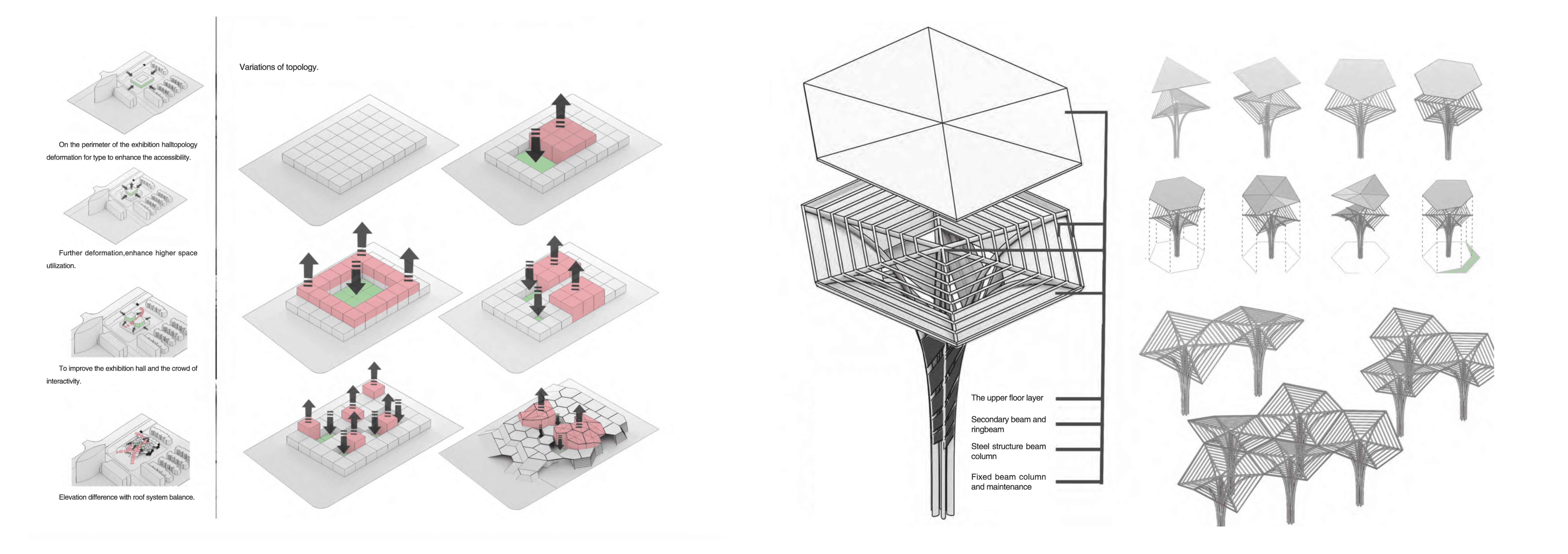
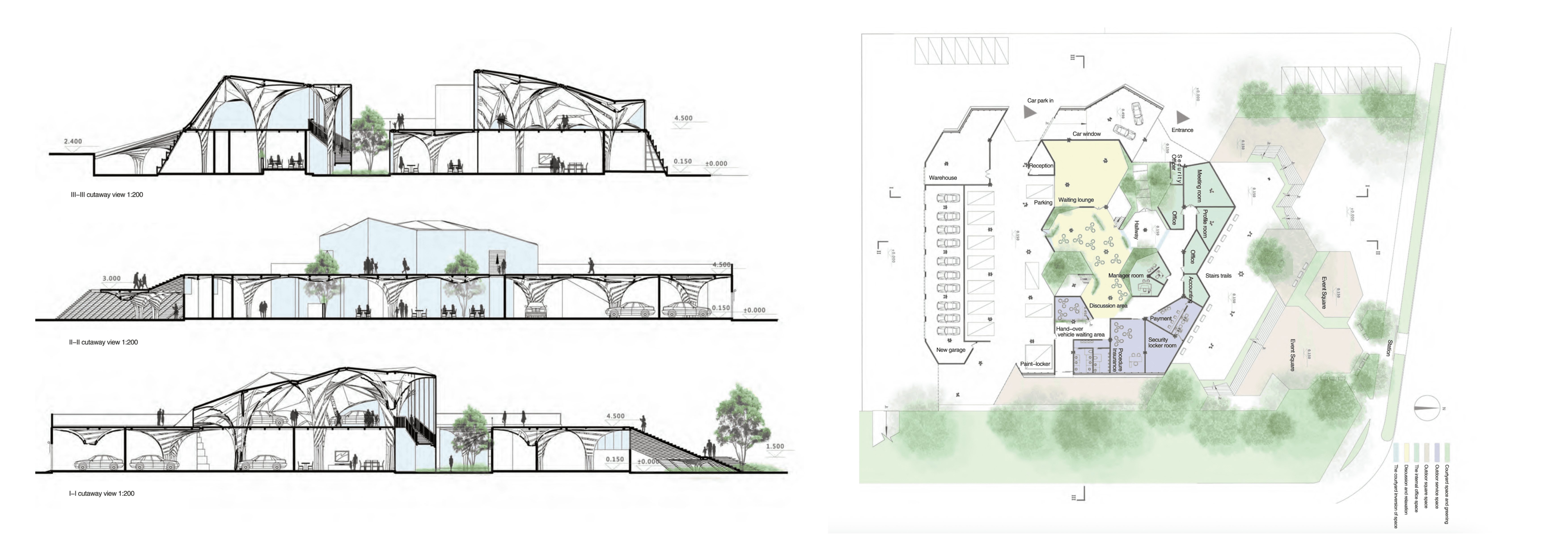
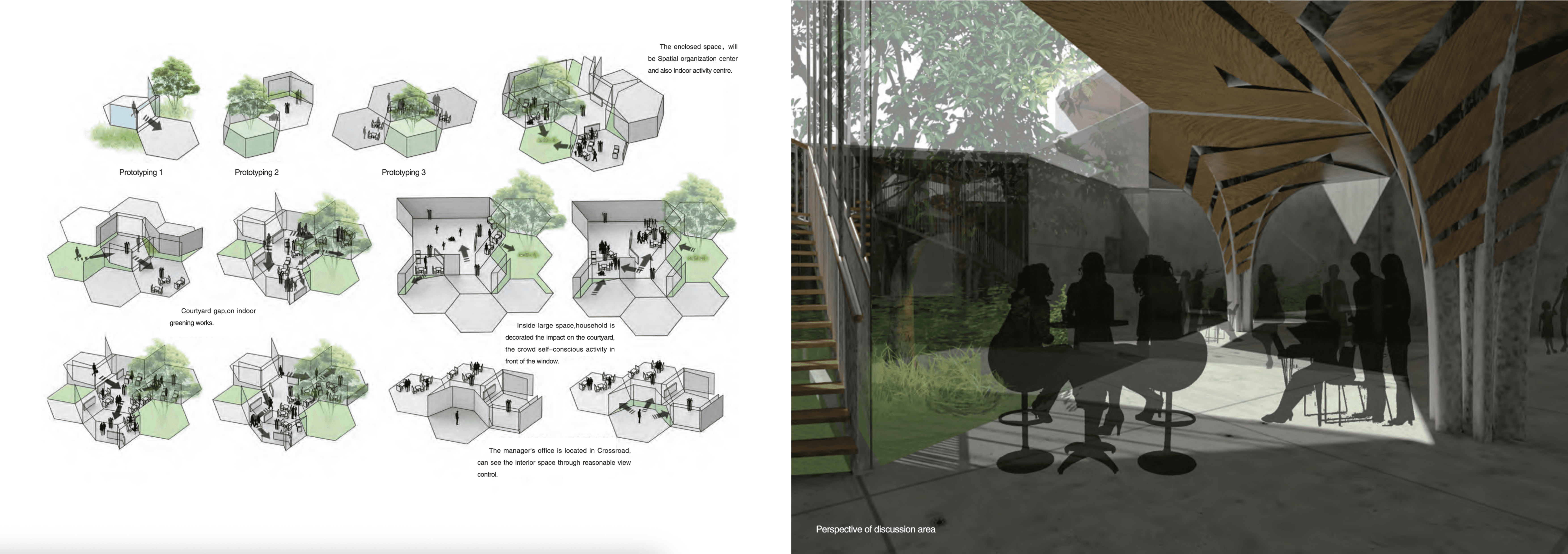
Long before I became a UX designer, I was trained to think visually—through space, structure, and form. This project was part of my early design education, where I explored how organic systems like trees could inspire modular architecture. It was less about the building itself, and more about learning how to communicate ideas visually, experiment boldly, and translate abstract concepts into tangible forms. It shaped how I approach design today: grounded in systems thinking, but always led by curiosity and creativity.
The Monster Project
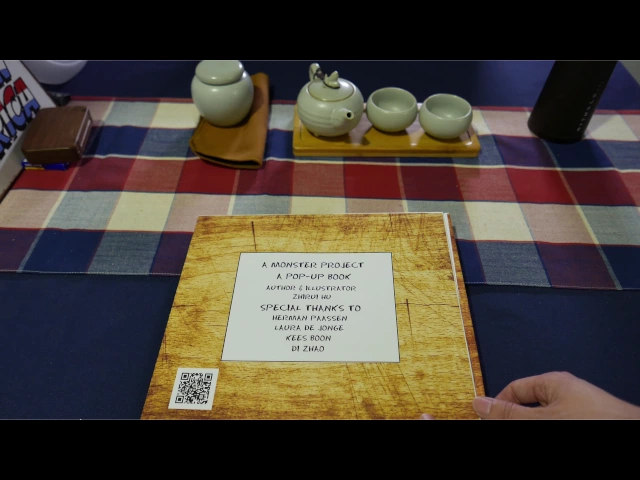
One of the most joyful and emotionally resonant projects I’ve worked on. A group of young children—aged 3 to 5—drew the monsters in their imagination. Our job was to bring those sketches into the real world, and create something they could see, hold, and feel.
For this, I created a pop-up book and a short comic that transformed their drawings into stories. The monsters became protagonists—sometimes silly, sometimes brave, always full of personality. In the final exhibition in Enschede, the children got to “meet” their monsters. Watching their reactions was pure magic.
This project reminded me that design is not just about solving problems—it’s also about connection. Turning a child’s imagination into something tangible is an act of care. And that emotional dimension—of making someone feel seen—is something I’ve carried with me ever since.
SAXSHOE Tracker Animation
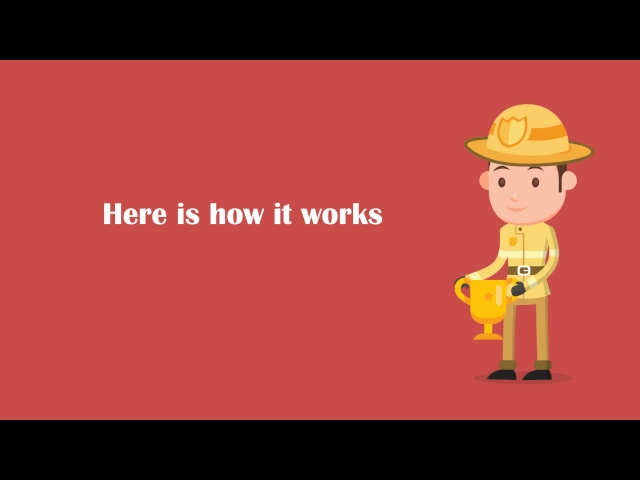
In high-risk environments like burning buildings, firefighters often lose orientation—surrounded by smoke, chaos, and time pressure. SAXSHOE is a new tracking technology that helps command centers locate any firefighter inside a building in real time, improving rescue speed and saving lives.
To help communicate this complex technology to a broader audience, I created a short animated explainer video—script, storyboard, visuals, and animation—all done by myself in After Effects. It was one of my first fully solo motion design projects, and a huge learning curve: from pacing voiceovers to building smooth transitions that could hold attention and tell a clear story.
I worked with a voice actor from Fiverr, and the entire production was a crash course in turning technical systems into emotionally grounded narratives.
Looking back, this project was a creative challenge—but also a personal milestone. It reminded me that design can inform, persuade, and protect. And that sometimes, telling a good story is just as important as building a good product.